October 21, 2026
A residential driveway serves as a vital entryway to your home, providing convenient access for vehicles and shaping the overall curb appeal of the property. Every day, this paved surface withstands vehicle traffic, changing weather cycles, and natural environmental exposure. When newly laid, blacktop pavement offers a smooth, uniform appearance that complements home architecture. However, continuous exposure to sunlight, seasonal temperature swings, and automotive fluids gradually takes a toll on the structural integrity of the pavement. Over time, surface imperfections signal that the underlying binder is degrading. Many property owners struggle to recognize the subtle differences between cosmetic surface flaws and critical structural deterioration. Consulting local asphalt paving contractors clarifies whether routine sealing suffices or complete resurfacing is necessary.
Ignoring early warning signs of pavement failure often allows minor surface defects to evolve into extensive structural damage beneath the surface. Water penetration is especially hazardous to aging driveways, as moisture slips through surface gaps and destabilizes the compacted aggregate foundation. Once the foundational base becomes compromised, the surface begins shifting, cracking, and sinking under the weight of everyday vehicles. Homeowners who monitor paved surfaces can address vulnerabilities before substantial damage impacts property access or safety.
1. Observing Widespread Surface Cracks
Cracking represents the most frequent indicator that a driveway surface is reaching the end of its functional life. While isolated hairline fractures can occasionally be sealed during routine maintenance, widespread patterns of cracks indicate systemic weakness within the asphalt binder. When cracks intersect to resemble reptile scales, this condition is known as alligator cracking. This distinct pattern signifies that the flexible pavement layer has lost its elasticity and can no longer support vehicular weight without fracturing. Once this extensive pattern appears across multiple sections of a driveway, basic topical patch treatments cannot restore structural integrity.
Water rapidly infiltrates these interconnected fissures, eroding the compacted subbase and accelerating deterioration during freeze and thaw cycles. When temperatures plunge, moisture trapped within these cracks expands, forcing the asphalt apart and widening the gaps. As warmer weather returns, melted water washes away the supporting gravel layer below, leaving open voids beneath the surface. Experienced local asphalt paving contractors evaluate the severity and depth of these fractures to determine if complete replacement is required to rebuild a stable foundation. Addressing extensive cracking promptly prevents the pavement from breaking apart entirely, restoring a smooth, safe entryway for your vehicles.
2. Dealing With Persistent Standing Water
A properly constructed driveway directs rainfall away from the center toward surrounding lawn zones or drainage channels. When standing water lingers after storms pass, the pavement structure is failing to maintain proper runoff. Standing water typically indicates that the underlying foundation has settled unevenly or compressed under repetitive vehicle loads. As cars and trucks park in identical spots day after day, weak base materials compress, creating depressions where water collects and stagnates.
Prolonged exposure to pooling moisture severely weakens asphalt aggregates by dissolving the petroleum-based adhesives that bind the crushed rock together. As the binder softens, the surface layer becomes spongy and susceptible to rapid mechanical damage. Furthermore, standing water can seep beneath pavement edges and undermine adjacent landscaping, causing peripheral soil erosion. When property owners collaborate with local asphalt paving contractors, these professionals can re-engineer the driveway grade and install fresh blacktop that sheds surface water naturally. Correcting drainage deficiencies stops water damage and safeguards surrounding property from moisture accumulation.
3. Managing Recurring Pothole Formations
Potholes are severe structural failures posing immediate hazards to vehicle tires and pedestrian safety. These deep cavities form when underlying aggregate washes away, leaving an unsupported asphalt crust that eventually collapses under the weight of passing tires. Temporary cold-patch mixtures often provide brief relief, but these surface plugs rarely bond permanently with aged, brittle pavement. As weather and traffic continue, patches dislodge, exposing larger craters that expand across the driveway.
When multiple potholes develop across a residential driveway, spot repairs become counterproductive because the surrounding asphalt lacks the structural cohesion to hold patches in place. Repeated patching creates an uneven, unsightly patchwork surface that fails to deliver a dependable driving experience. Professional local asphalt paving contractors can excavate the damaged subgrade, stabilize the foundational gravel bed, and lay seamless new asphalt that completely eliminates hazardous voids. Replacing failing pavement restores a safe, uniform driving plane that protects visiting vehicles from unexpected mechanical damage.
4. Noticing Crumbling Outer Edges
Driveway perimeters endure unique pressures when vehicles veer onto edges or lawn equipment runs alongside the blacktop. However, when pavement edges begin crumbling, breaking into loose gravel chunks, or sloughing away into adjacent garden beds, the driveway is losing its lateral structural support. Unraveling borders indicate that the asphalt mixture was either insufficiently compacted during original construction or that surrounding soil movement has eroded the edge foundation. Once boundaries disintegrate, the central driving lane deteriorates rapidly.
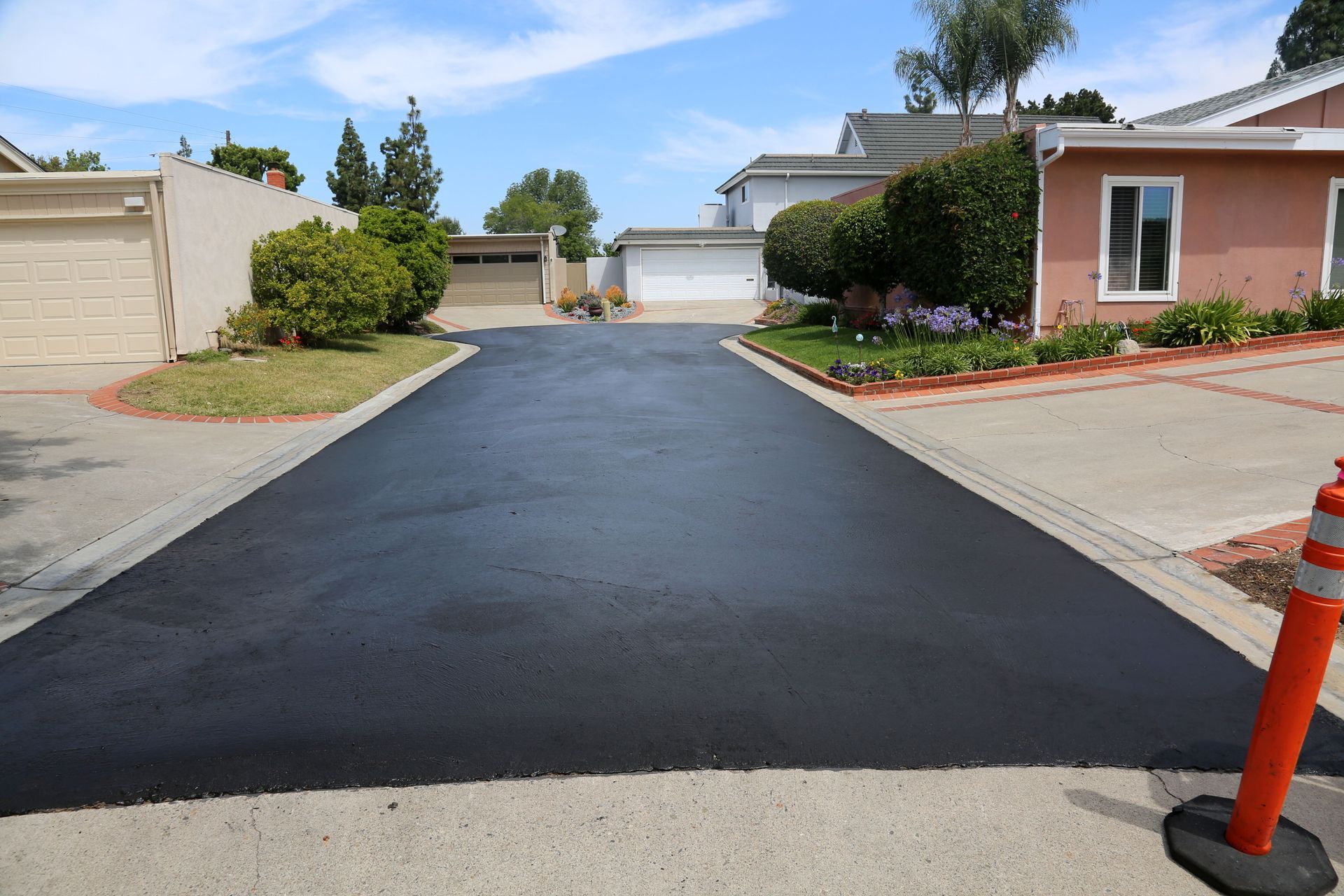
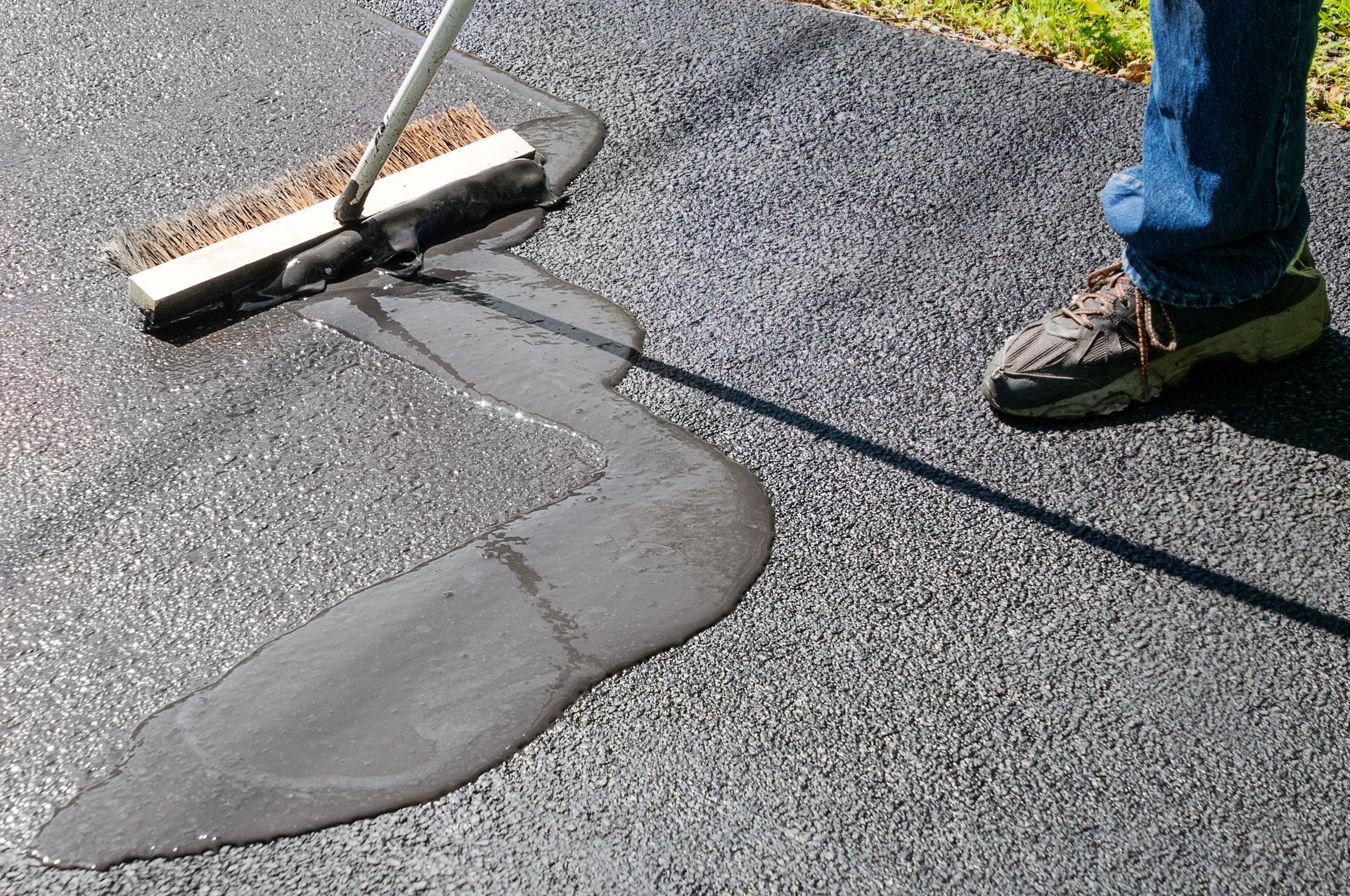
Losing defined edges allows water to channel directly underneath the central pavement slab, accelerating base erosion from the perimeter inward. Quality installation by local asphalt paving contractors ensures that new driveways feature properly beveled edges, reinforced aggregate shoulders, and adequate soil retention to prevent perimeter breakdown. When newly paved surfaces are installed, observing proper curing protocols is equally critical to long-term edge stability. According to HomeGuide recommendations, homeowners must avoid driving or parking any vehicles on a fresh asphalt driveway for at least 24 to 48 hours. Allowing adequate time for the fresh binder to solidify ensures that edges and driving lanes harden into a resilient platform capable of withstanding daily use.
5. Facing Severe Surface Fading
Fresh asphalt possesses a dark hue that gives residential properties a clean, modern aesthetic. Over years of exposure to ultraviolet rays from the sun, the volatile oils within the asphalt binder oxidize and evaporate. This oxidation transforms dark blacktop into a dull, chalky gray surface that appears rough and brittle. Fading is not merely an aesthetic issue; it is a visible signal that the binding agents holding the aggregate matrix together have dried out significantly.
As the oxidized binder weakens, small gravel stones loosen from the surface, creating an abrasive texture that sheds loose aggregate whenever tires roll across it. Once asphalt reaches this advanced stage of dryness and embrittlement, sealcoating provides only temporary surface coloration without restoring internal flexibility. Experienced local asphalt paving contractors can assess whether the oxidized blacktop can support a fresh overlay or if complete removal and repaving is required. Upgrading to fresh asphalt restores the deep color, flexibility, and robust weather resistance that keeps residential entrances looking pristine through harsh seasons.
Recognizing when your driveway requires comprehensive replacement safeguards your property's appearance and vehicle access. Pavement that exhibits extensive alligator cracking, persistent drainage puddles, recurring pothole craters, unraveling outer perimeters, and severe oxidation cannot be permanently rescued with surface sealers alone. Installing a brand-new asphalt surface provides a fresh, durable, and structurally stable foundation that transforms the appearance of your residence while providing dependable service. Working with local asphalt paving contractors ensures that every stage of installation, from aggregate compaction to curing management, is executed with professional care.
A smooth, impeccably paved driveway elevates the beauty of your residential landscape and delivers seamless everyday functionality for every vehicle entering your property. Do not wait until minor surface flaws deteriorate into hazardous vehicle damage or difficult access issues. If you are ready to enhance your home exterior with durable new pavement, contact us at Right-Way Asphalt Specialist today. We will help you design and install a resilient asphalt driveway that delivers lasting curb appeal and flawless performance for your property.